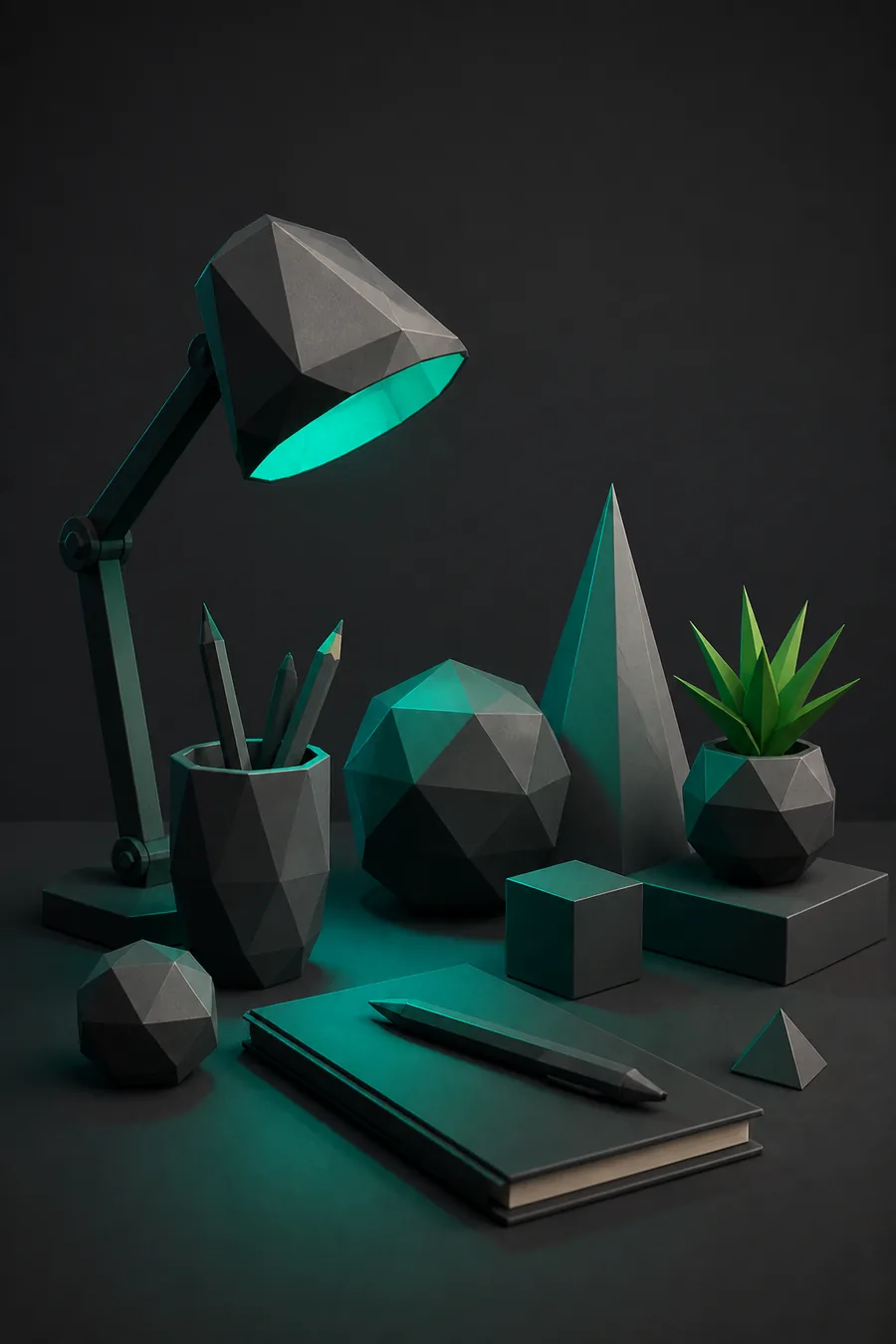
01 / Model
Shape with confidence
Start with forms, surfaces, and structure that make an idea easy to see.
Prisma3D-inspired 3D workspace
Model scenes, animate characters, and shape 3D worlds in a browser-friendly creative workspace.
An independent creative surface for people exploring Prisma3D workflows.
 SCENE / 01
MODEL · ANIMATE · RENDER
SCENE / 01
MODEL · ANIMATE · RENDER
Built for the full arc
Keep the first sketch, the motion, and the final frame in one focused place.
Start with forms, surfaces, and structure that make an idea easy to see.
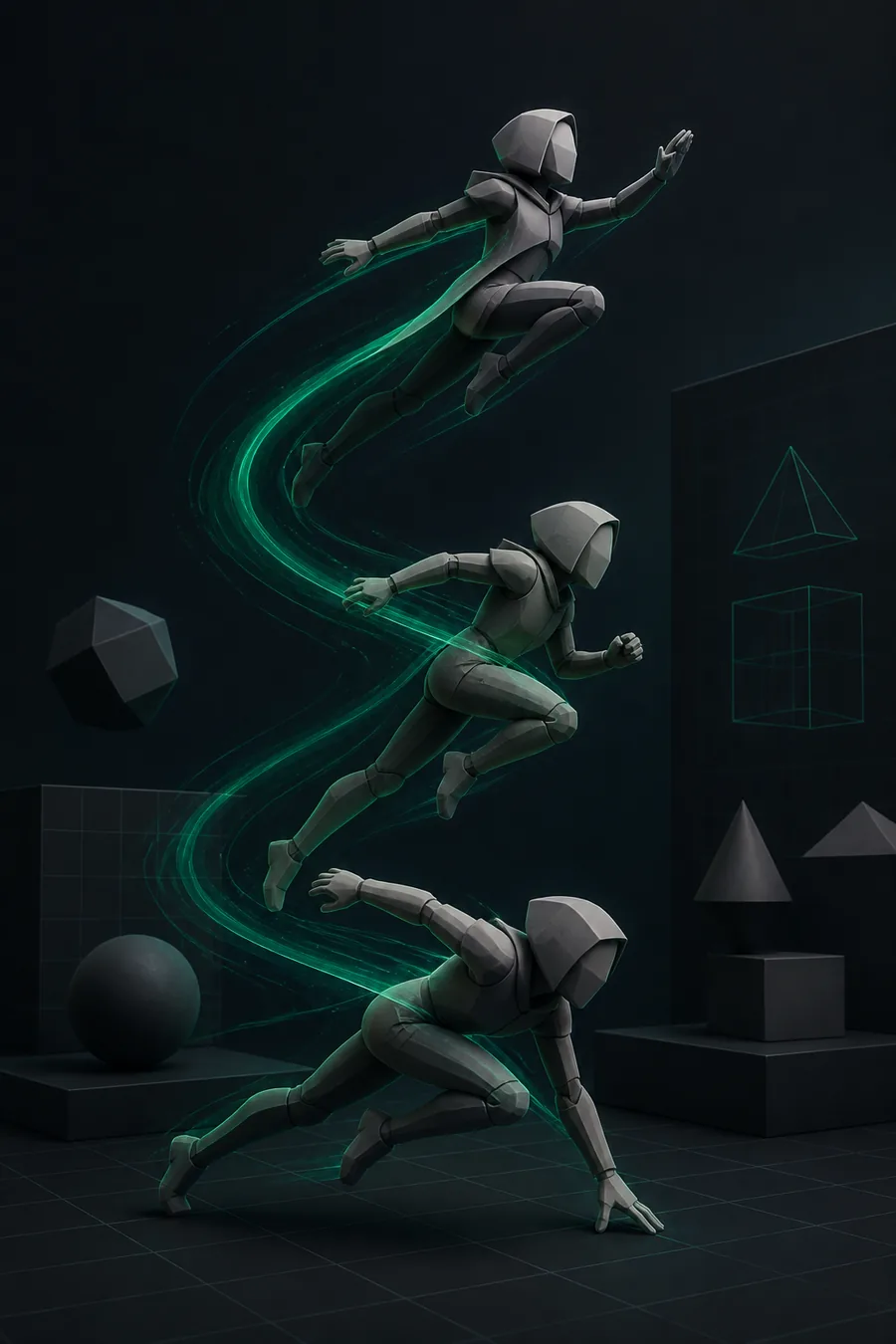
Turn poses and key moments into movement that gives every scene a pulse.
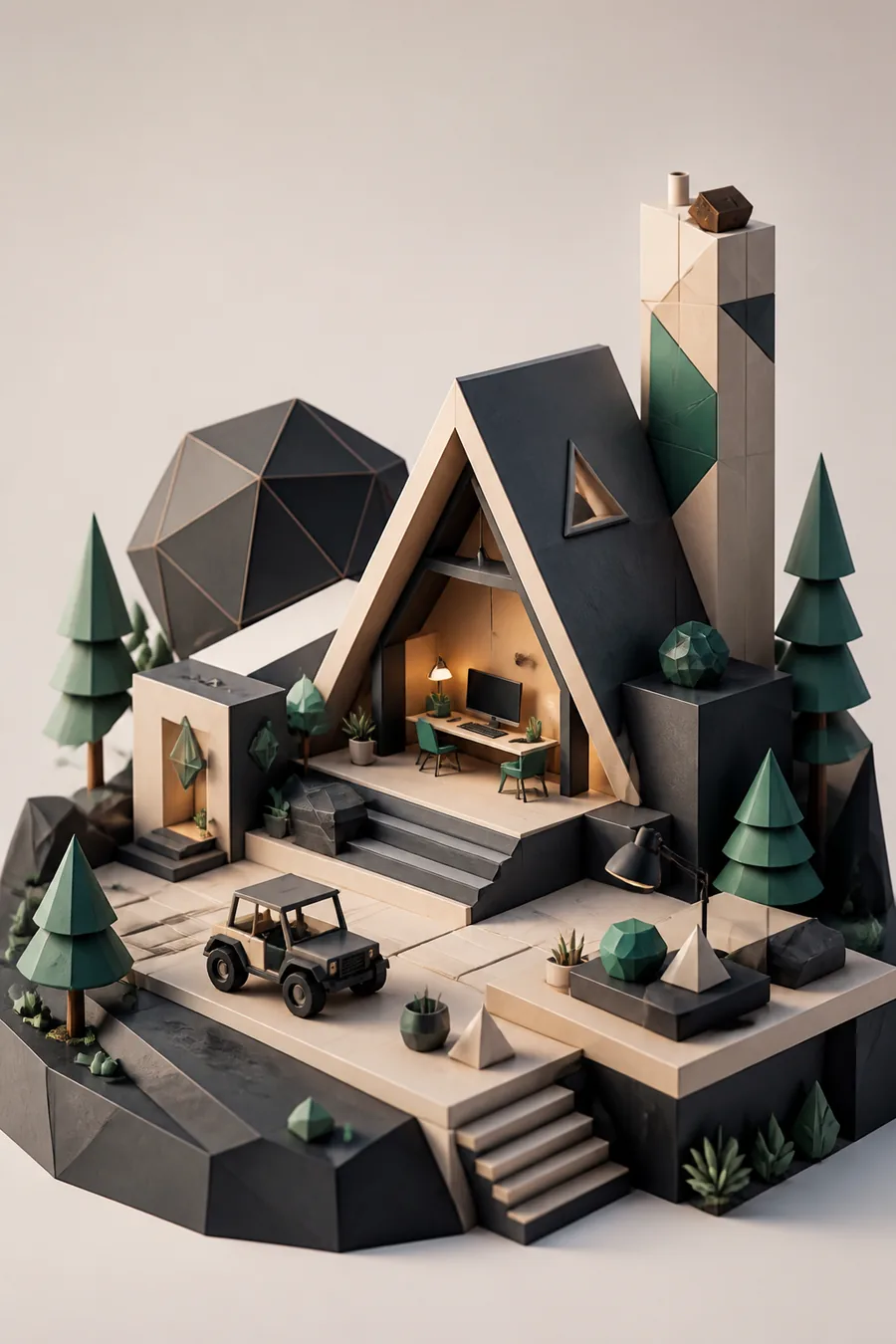
Layer props, lighting, and atmosphere until a collection of objects becomes a world.
See composition, depth, and focus together before you decide what the scene needs next.
Move from a quick idea to a stronger result without losing the character of the original.
Prepare a clear visual story for a pitch, a portfolio, a short film, or the next experiment.
How it works
Stay close to the creative decision instead of getting lost in the setup.
Choose the mood, the subject, and the one visual idea you want the frame to communicate.
Use simple poses, timing, and camera changes to make the scene feel alive.
Review what works, refine the details, and carry the strongest parts into your next scene.
Start small. One object, one movement, and one clear point of view are enough to begin.
Use cases
Explore a flexible 3D workflow for projects that need shape, movement, and a little more atmosphere.
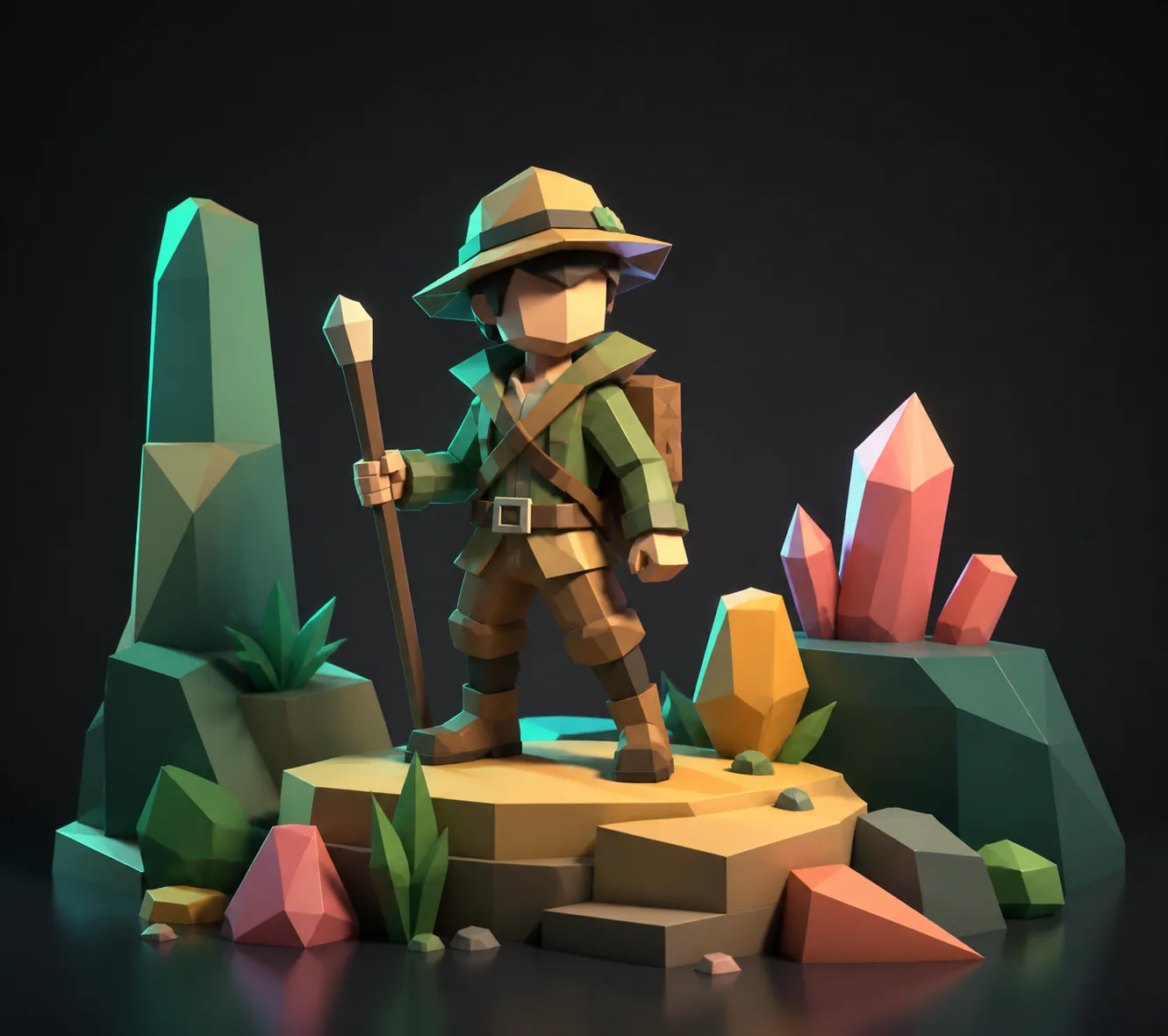
Test poses, personality, and camera language before the scene grows around them.
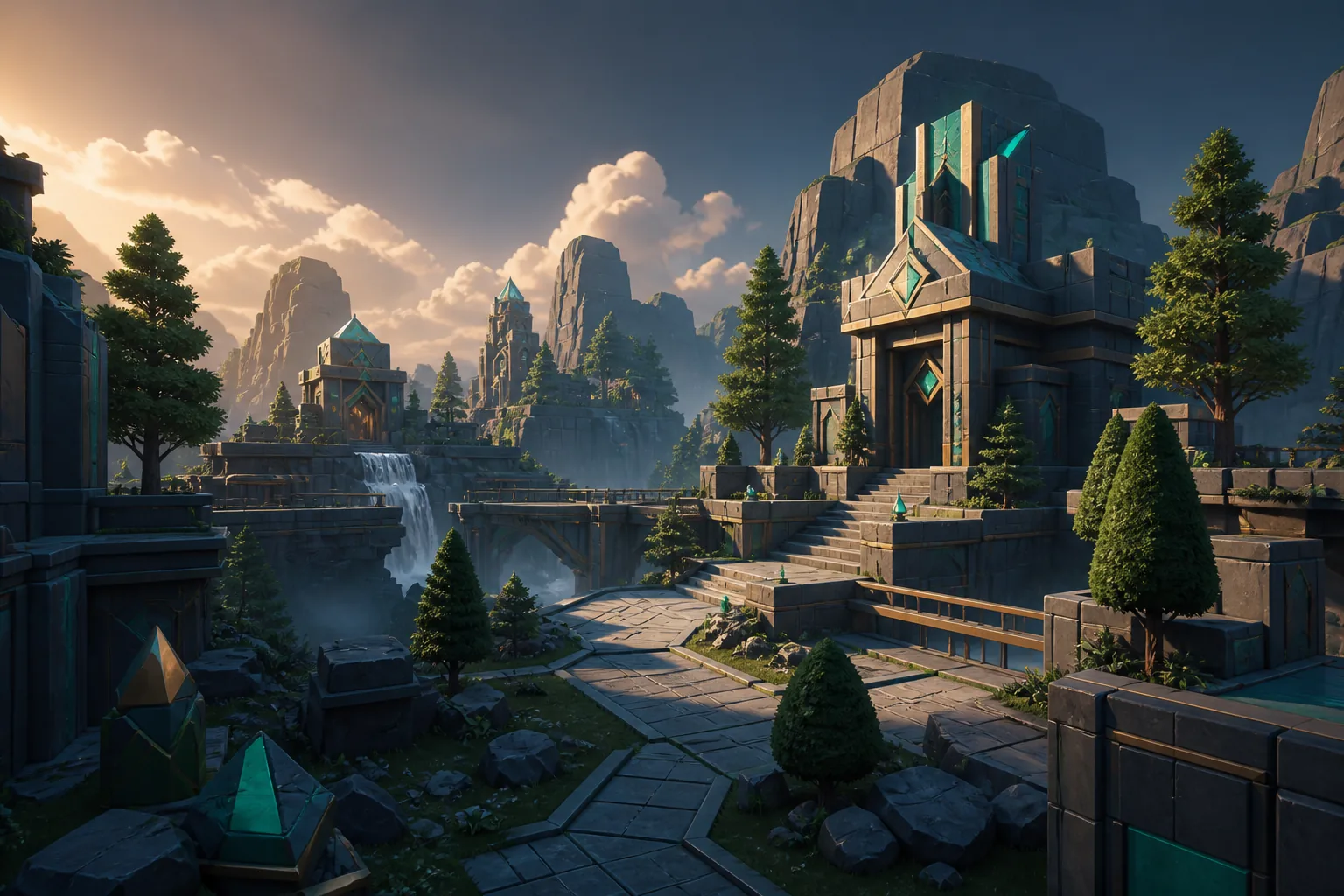
Build a visual reference that keeps a shared direction visible from the first conversation.
Use rough movement and framing to discover what a sequence wants to become.
Work through approachable creative steps and build confidence one scene at a time.
A clearer starting point
When you are comparing workflows, the first useful move is often making the next question easier to answer.
Independent guidance and workspace concept — not the official Prisma3D app.
Explore
Independent guides for modeling, animation, access, comparisons, and practical first steps.
FAQ
A practical place to sort the questions that often surround Prisma3D.
Prisma3D is commonly searched in connection with mobile 3D modeling and animation. This page offers independent guidance and a browser-friendly creative workspace around those ideas.
No. This is an independent Prisma3D-inspired landing page and workspace concept, created to help people explore 3D creation workflows more clearly.
Yes. The workspace is designed around browser-friendly planning, modeling, animation thinking, and visual review rather than a device-specific installation path.
It is organized around small creative decisions: choose a subject, establish a scene, add movement, and refine what matters. That makes the process easier to approach step by step.
Use the import guide as a checklist for formats, scale, materials, and animation data. The right preparation usually matters as much as the model itself.
Compare the workflow you need: portability, depth, learning curve, scene control, animation tools, and how quickly you can move from an idea to a finished frame.
Make the next scene yours
Give your next 3D experiment a focused place to take shape.